How to Plan a Commercial Kitchen Layout for a Restaurant in Bangalore
Who this is forThis guide is for restaurant owners and operators planning a commercial kitchen layout for a new outlet in Bangalore.
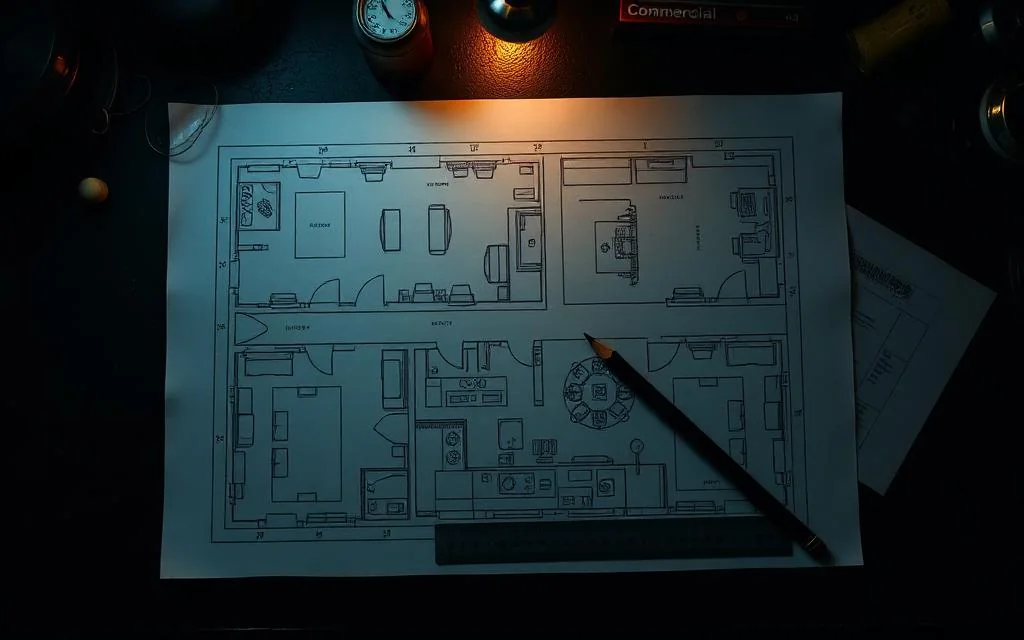
To plan a commercial kitchen layout, start with your menu and set out five zones in the order food moves: delivery, storage, prep, cooking and wash-up. Get that sequence right and food travels from the back door to the pass without crossing its own path. The layout you choose shapes every shift that follows. A good plan keeps your team safe and protects your margins for years. A poor one creates bottlenecks that no amount of staffing can fix. For a restaurant in Bangalore, this is the single most valuable decision you make before the first service.
Key facts
- A functional commercial kitchen is built from five zones arranged in the order food moves: receiving and storage, preparation, cooking, plating and pass, and warewashing.
- Kitchen layout should be planned from the finalised menu, because the dishes decide the equipment and the equipment decides how the space is divided.
- Walkways in a commercial kitchen should be at least one metre wide to keep staff safe and meet inspection requirements.
- Exhaust ventilation and drainage must be sized and positioned during the design stage, because retrofitting them after installation is expensive and disruptive.
Start with the menu, not the floor plan
Before you draw a single line, finalise your menu. The dishes you serve decide the equipment you need, and the equipment decides how the space is divided. A kitchen built for a high volume biryani counter looks nothing like one built for a continental bakery. Map every dish to the stations it touches, then size each station around real peak hour demand rather than a rough guess.
Once the menu is set, group your dishes by cooking method. Tandoor, fryer, range, and cold prep each need their own zone. This grouping becomes the backbone of your floor plan and prevents the common mistake of scattering similar tasks across the room.
Design around the five core zones
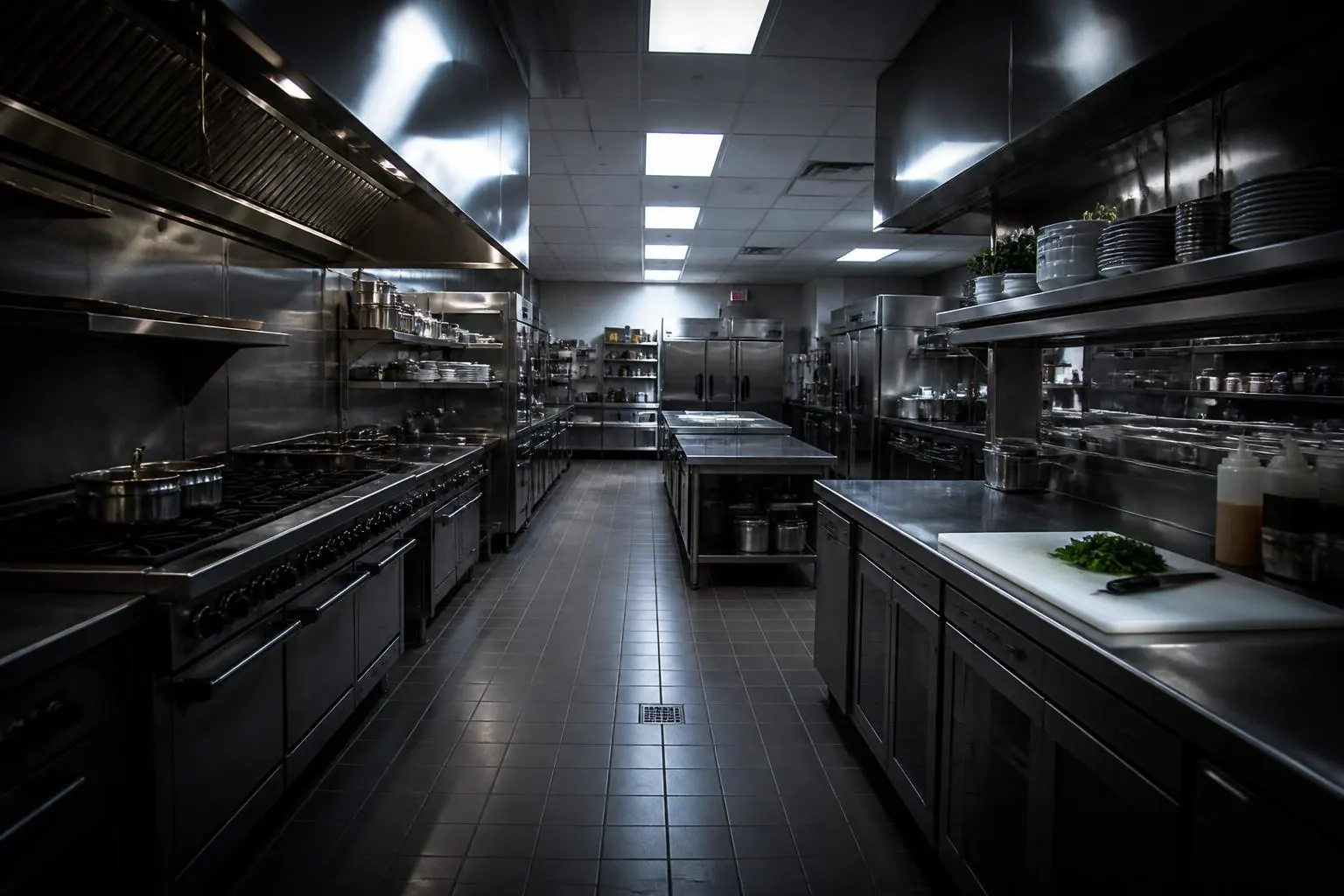
Almost every functional commercial kitchen is built from five working zones. Keep them distinct and arrange them in the order food actually flows.
- Receiving and storage, placed near the service entrance so deliveries never cross the cooking line.
- Preparation, with enough stainless steel bench space for washing, cutting and portioning.
- Cooking, the hot line where ranges, tandoors and fryers sit under proper exhaust.
- Plating and pass, a clean handover point between kitchen and service staff.
- Warewashing, positioned so dirty crockery returns without passing clean food.
Keep the work triangle tight
Within the cooking zone, the distance between storage, the cooking surface and the plating area should stay short. Chefs walk thousands of steps a shift, and every extra metre adds time and fatigue. A tight triangle keeps service fast even when the kitchen is full.
Plan ventilation and drainage early
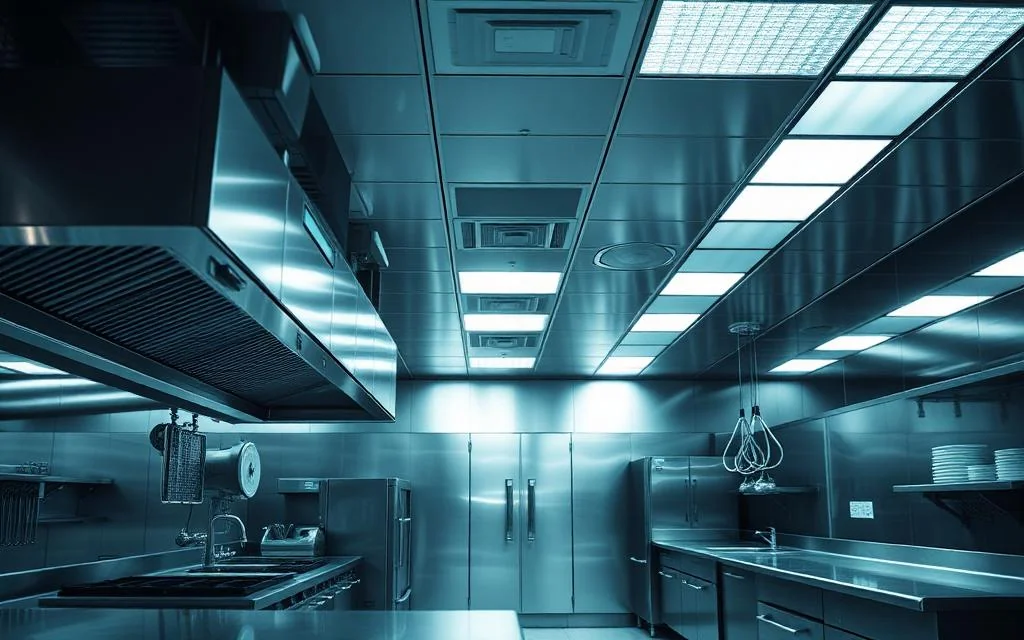
Ventilation is not an afterthought. Bangalore kitchens running tandoors and heavy frying generate serious heat and grease, so your exhaust hood and make up air system must be sized to the cooking load from day one. Retrofitting ventilation after the line is installed is expensive and disruptive.
Drainage follows the same rule. Floor gradients, trapped gullies and grease management need to be in the plan before the flooring goes down. Water should always run away from the cooking and prep areas toward a central drain.
Respect local space and safety norms
Commercial space in Bangalore is tight and rents are high, so every square foot has to earn its place. Build in clear walkways at least a metre wide, keep fire exits unobstructed, and leave service clearance around heavy equipment for cleaning and repair. A layout that ignores these basics will fail an inspection and slow your team down.
Build for the staff you will have
Plan the line for the number of people who will work it during a rush. Two chefs squeezed into a single metre cannot move safely. Give each station enough room for one person to work without colliding with the next, and the kitchen will run calmer under pressure.
Choose equipment that fits the long game
Stainless steel benches, sinks and storage units are the frame your kitchen hangs on. Choose modular, grade appropriate equipment that can be cleaned easily and reconfigured as your menu grows. Custom fabricated stations let you use awkward corners and odd dimensions that off the shelf units waste. Sourcing commercial kitchen equipment in Bangalore directly from established commercial kitchen equipment manufacturers in Bangalore means every station can be built to your exact dimensions.
A kitchen designed with workflow, ventilation and durable equipment in mind will pay you back every single shift. Plan it once, plan it well, and let the space do the heavy lifting for years.
Looking at the equipment itself? See our range of commercial cooking equipment. Every unit is built through our in-house build process. For more on this, read our guide to FSSAI and HACCP compliance.
Come across a term you are not sure about? Our commercial kitchen equipment glossary explains 100+ terms in plain English.