Hotel Kitchen Equipment List - Complete Setup Guide
Who this is forThis guide is for hotel owners, general managers and project consultants planning or upgrading the kitchens of a full-service hotel.
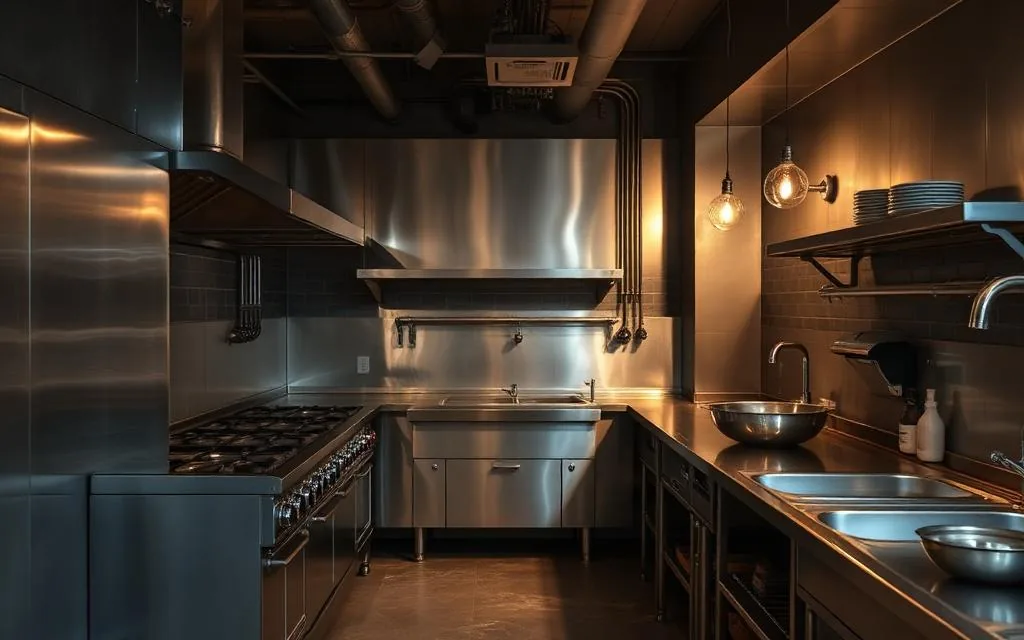
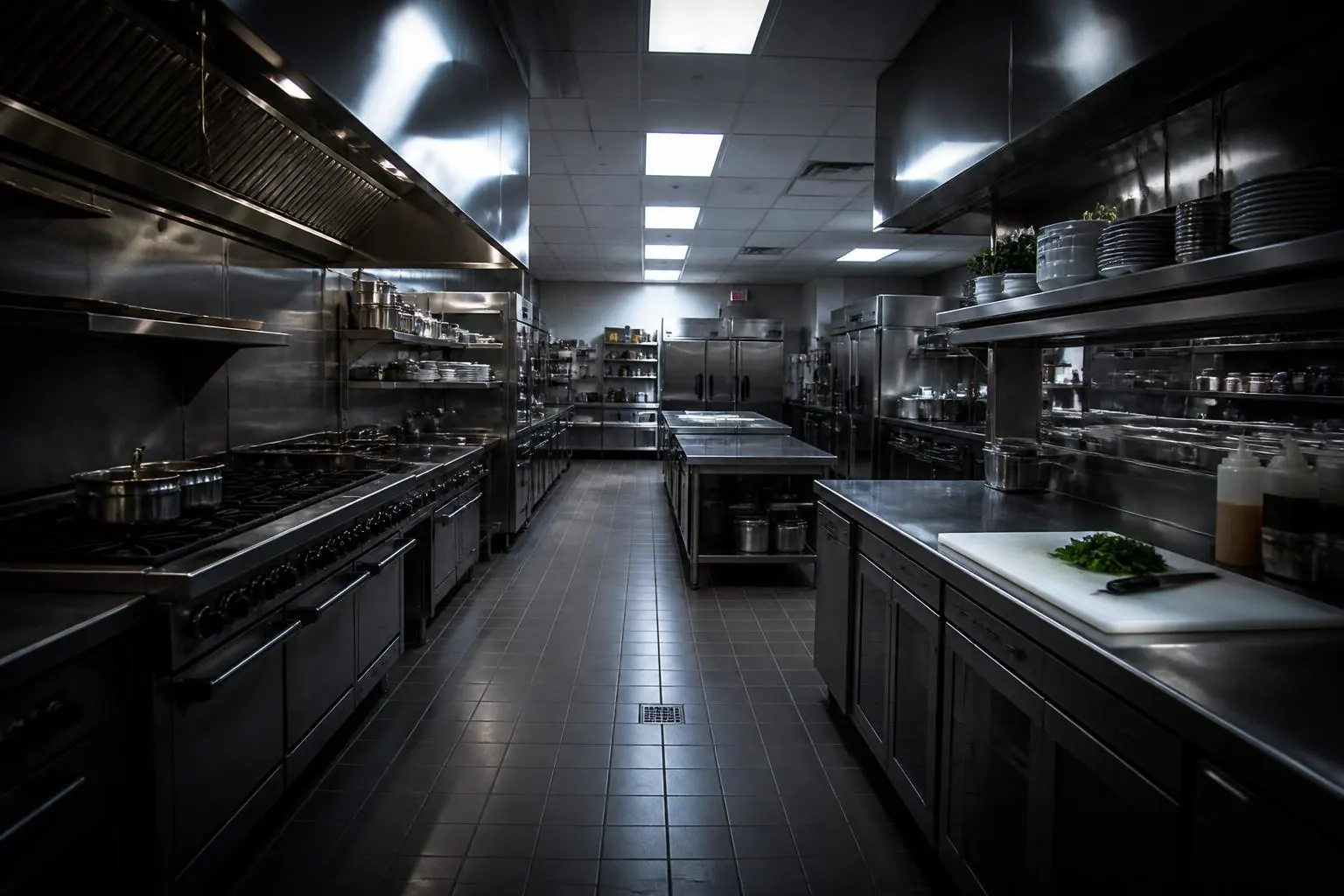
A full hotel kitchen is built from five linked sections: the main cooking line, the banquet kitchen, the pastry section, the cold kitchen and the wash area. Each section has its own equipment list, and each must be sized for continuous high-volume service rather than the occasional rush. Unlike a single restaurant kitchen, a hotel runs several cuisines and service styles at once, from room service to a large banquet, so the equipment has to cover breadth and volume together. This guide lists what each section needs and how quantities scale with hotel size.
Key facts
- A full hotel kitchen is not one kitchen but five linked sections: main cooking line, banquet kitchen, pastry, cold kitchen and wash area.
- Equipment for hotel use must be sized for continuous high-volume shifts, so heavy-duty ranges, bulk cooking and large refrigeration are standard.
- Banquet kitchens need bulk cooking and holding equipment because they serve hundreds of covers in a single sitting.
- Every food-contact surface across all sections should be grade 304 stainless steel to meet hotel hygiene and audit standards.
The main cooking line
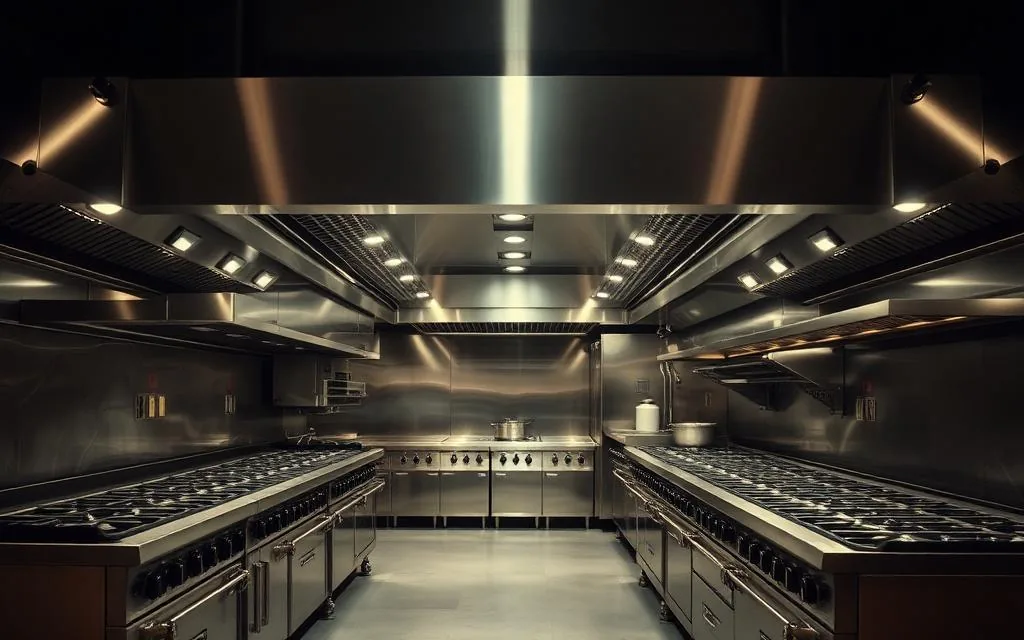
The main kitchen is the heart of the hotel and handles a la carte, room service and restaurant orders. It runs long back-to-back shifts, so every unit here is heavy-duty. The core list covers open-burner and Chinese ranges, a tandoor, griddles, deep fryers, a salamander, and bulk boiling for stocks and gravies. Under-counter refrigeration keeps mise en place within reach of the line.
- Heavy-duty cooking ranges with individual cast-iron burners for the hot line.
- Chinese ranges with blowers for high-flame wok cooking.
- Gas or clay tandoor for Indian breads and grills.
- Griddles, salamanders and deep fat fryers sized to peak covers.
- Under-counter refrigerators and a pass-through cold section for line mise en place.
The banquet kitchen
Banquets serve hundreds of covers in a single sitting, so this section is built around bulk cooking and holding rather than a la carte flexibility. Tilting boiling pans, bulk cookers, steam ranges and large bratt pans do the heavy lifting. Bain-maries and hot holding cabinets keep food at safe serving temperature between cooking and service. A banquet kitchen that shares equipment with the main line will always bottleneck during a large event, so it needs its own dedicated cooking and holding capacity.
Bulk cooking and holding
Tilting boiling pans let one operator empty a full pan of rice or gravy safely, which matters when you cook for 500 at once. Pair bulk cooking with insulated hot cabinets and mobile bain-maries so plated food holds temperature during a long service. Size holding capacity to your largest expected banquet, not your average function.
The pastry section
The pastry and bakery section is a separate temperature-controlled zone because dough, chocolate and cream need cooler, cleaner conditions than the hot line. The core equipment is a deck or convection oven, a planetary mixer, a spiral mixer for bread dough, marble or stainless prep surfaces, and dedicated refrigeration and a blast chiller for setting desserts. Proofing cabinets support consistent bread and viennoiserie.
The cold kitchen
The cold kitchen, or garde manger, produces salads, cold starters, dressings and buffet items. It needs generous refrigerated storage, stainless prep tables, a dedicated sink, and slicing and processing equipment. Keeping this section physically separate from the hot line protects cold food from heat and reduces cross-contamination, which hotel hygiene audits check closely.
The wash area
A hotel wash area handles crockery, pots and glassware from several outlets, so it is built for throughput. A hood-type or conveyor dishwasher, pre-rinse units, three-compartment pot sinks, soiled and clean landing tables and sorting racks make up the section. The layout must keep soiled and clean sides from crossing. Size the dishwasher to covers per hour across all outlets, not just the main restaurant.
How quantities scale with hotel size
A boutique hotel of 40 to 60 rooms can often run a combined main and banquet line with one tandoor, two ranges and a compact wash area. A mid-size hotel of 100 to 150 rooms needs separate banquet cooking, a full pastry section and a larger dishwashing line. A large hotel of 200 rooms or more typically runs distinct kitchens for each outlet, multiple walk-in cold rooms and a central wash area feeding several service points. Whether you are sourcing commercial kitchen equipment in Bangalore from experienced commercial kitchen equipment manufacturers in Bangalore or fitting out commercial kitchen equipment in Mumbai, match the equipment count to your room count.
Why grade and fabrication matter across every section
Every food-contact and wet-side surface across all five sections should be grade 304 stainless steel, because hotel kitchens face constant washing, salt, acid and heat, and hotel audits scrutinise hygiene. Custom fabrication lets each section fit the exact floor plan, drainage points and service clearances of the building. A hotel kitchen planned as five coordinated sections, each sized to real volume and built in the right grade, runs smoothly from the first shift and passes inspection without drama.
Looking at the equipment itself? See our range of heavy-duty cooking equipment. Every unit is built through our in-house build process. For more on this, read our guide to choosing commercial refrigeration.
Come across a term you are not sure about? Our commercial kitchen equipment glossary explains 100+ terms in plain English.