Multi-brand cloud kitchen equipment planning
Who this is forThis guide is for founders and food businesses planning a cloud kitchen that runs three to five delivery brands from one location.
For a cloud kitchen running three to five brands, choose brands that share techniques and ingredients, then plan shared prep and storage with dedicated cooking stations where each brand's process is different. Size the equipment for the combined peak, separate vegetarian and allergen sensitive work, and run all brands through one organised dispatch point.
Key facts
- Multi-brand kitchens work best when brands share techniques, ingredients and equipment.
- Shared prep and storage with dedicated cooking stations is a common and effective model.
- Allergen and vegetarian separation must be planned into the layout from the start.
- One well organised dispatch point prevents confusion between brands during peaks.
Pick brands that fit together
The equipment plan depends heavily on the brand mix. Three brands that all use a tandoor, a gravy line and a rice station can share a lot. A biryani brand, a pizza brand and a Chinese brand need almost entirely separate equipment. Before planning equipment, map each brand's dishes to the techniques they need and look for overlap.
Shared and dedicated stations
Usually shared
- Receiving, dry storage and walk-in or reach-in refrigeration.
- Bulk preparation: washing, cutting, marinating and base gravies.
- Pot wash and dishwashing.
- Packing and dispatch.
Usually dedicated
- Specialist cooking: pizza ovens, tandoors, wok ranges, fryers for specific items.
- Final assembly stations where brand presentation differs.
- Vegetarian only cooking and prep where a brand promises it.
This model keeps prep efficient while protecting each brand's cooking quality.
Size for the combined peak
Delivery peaks for different brands often land at the same time. Size refrigeration, prep counters, exhaust and especially cooking capacity for the combined busiest hour, not for an average day. Under sizing shared equipment is the most common reason multi-brand kitchens slow down.
Leave space and utility capacity for adding a brand later. Spare electrical capacity, a capped gas point and a free length of hood make expansion much easier.
Separation and labelling
If a brand is vegetarian, or promises to avoid certain allergens, the kitchen must protect that promise. That means separate prep surfaces, utensils, storage shelves and sometimes separate cooking equipment. Colour coding and clear labelling help staff working across brands.
Layout
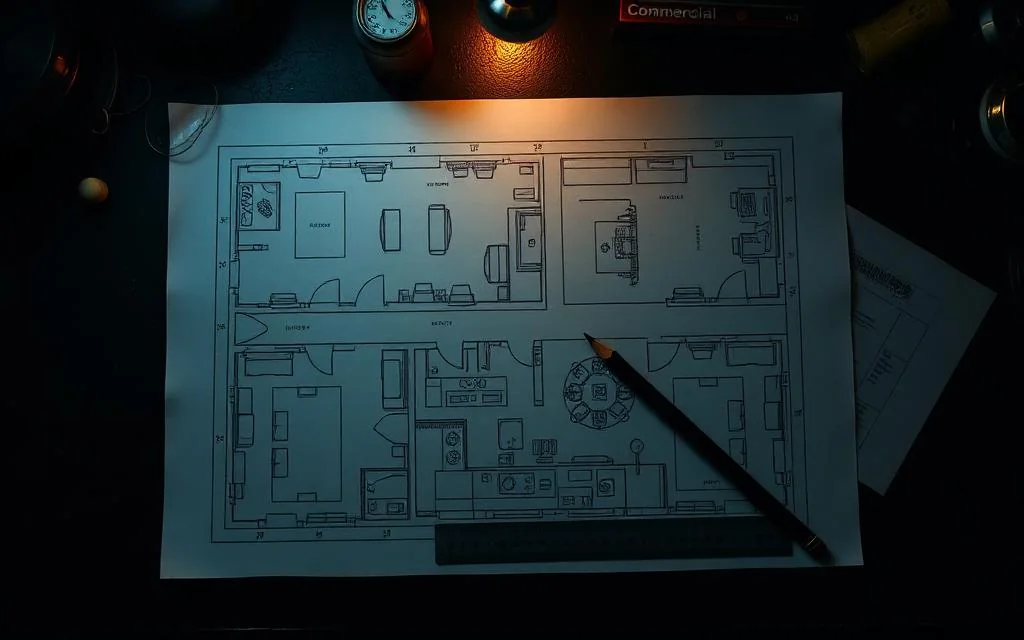
Arrange the kitchen so food flows from receiving to storage, prep, cooking and dispatch without crossing back. Place brand specific cooking stations side by side along the hood so they share extraction. Put packing near the door, with a clear shelf system for each brand's finished orders.
Refrigeration
Shared cold storage needs organisation. Assign shelves or units by brand or by product type, and keep raw and cooked food separate. Undercounter refrigeration at each cooking station keeps the ingredients that station needs within reach. See our commercial fridges and freezers for the options.
Exhaust
Multiple brands usually mean a long cooking line with mixed heat loads. Design the hood and ducting for the full line, with more extraction over tandoors, woks and fryers. Our kitchen exhaust hoods are built to the length of the line.
Dispatch
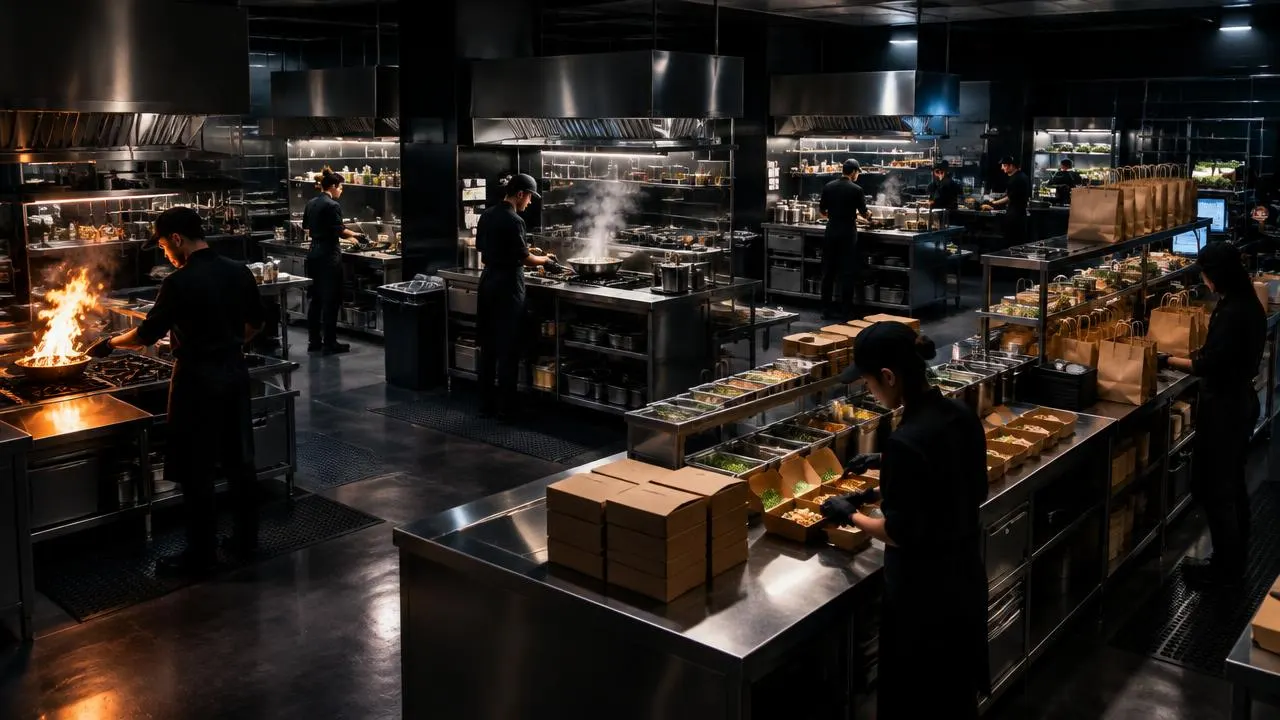
One dispatch point with brand labelled shelves, a packing counter and a waiting area for riders keeps the kitchen calm. Riders should never enter the cooking area.
Steelkraft manufactures commercial burners and ranges and stainless steel kitchen furniture in grade 304 stainless steel, fabricated in-house, so dedicated stations can be built to each brand's process. For local projects, see our pages on cloud kitchen equipment manufacturers in Bangalore and cloud kitchen equipment in Hyderabad. For budget planning, read our guide to cloud kitchen setup costs in Bangalore.
Staffing and workflow
In a multi-brand kitchen, some staff work across brands and some specialise. Plan stations so a cook can move between related brands without walking across the kitchen. Shared prep teams can work ahead before peaks, preparing bases and ingredients for every brand. Clear labelling of containers by brand and by date prevents mix ups when several brands share cold storage.
Common mistakes
One mistake is adding brands that need completely different equipment, which fills the kitchen with machines that are rarely used. Another is running every brand's orders through one small packing counter, which becomes a bottleneck at peak. A third is ignoring vegetarian separation until a customer complaint forces a change. Building separation into the layout from the start is far easier.
Finally, some kitchens size the exhaust for the first brands only. When a new brand adds a fryer or tandoor, the hood cannot cope. Leave spare capacity in the hood and ducting if you expect to add brands.
Reviewing the setup after launch
After the first few weeks, look at order data by brand and by hour. You may find that one brand drives most of the peak while another rarely needs its dedicated station. Use this to rebalance equipment, move stations closer to the packing counter or retire a brand that takes space without enough orders. A multi-brand kitchen is never finished. Planning flexible station sizes and spare utility points at the start makes these adjustments easier and cheaper, and keeps the kitchen running smoothly as the brand mix changes.
Frequently asked questions
How many brands can one cloud kitchen run?
It depends on space, staff and how much the brands overlap. Three to five brands with shared techniques is a common and manageable range for a well planned kitchen.
Should each brand have its own cooking equipment?
Not always. Brands that use the same techniques can share equipment. Specialist cooking and vegetarian only work usually need dedicated stations.
What is the biggest planning mistake in multi-brand kitchens?
Sizing shared equipment for an average day instead of the combined peak. When several brands get busy at once, undersized cooking and refrigeration slow every order.
To plan a multi-brand kitchen around your menus, speak to Steelkraft.