Cloud kitchen exhaust and ventilation in small spaces
Who this is forThis guide is for cloud kitchen founders and project managers planning exhaust and ventilation in a compact kitchen.
In a small cloud kitchen, put a correctly sized hood with baffle filters over every cooking position, run the shortest practical duct to the outside, and supply fresh air to replace what is extracted. Plan this before signing the lease, because ducting routes are hard to change later.
Key facts
- Every cooking position that produces smoke, grease or steam needs a hood above it.
- Fresh air must be supplied to replace the air the exhaust removes.
- Short, direct ducting routes perform better and are easier to clean.
- Discharge location matters, because smoke and odour complaints can close a cloud kitchen.
Why small kitchens struggle
A small room fills with heat and smoke quickly. Low ceilings leave little room for hoods and ducts, and many cloud kitchens sit in buildings that were never designed for commercial cooking. Without proper extraction, staff work in hot, smoky conditions, grease builds up on every surface and neighbours complain.
For general hood principles, see our commercial exhaust hood guide. This article focuses on the extra challenges of small spaces.
Hood sizing
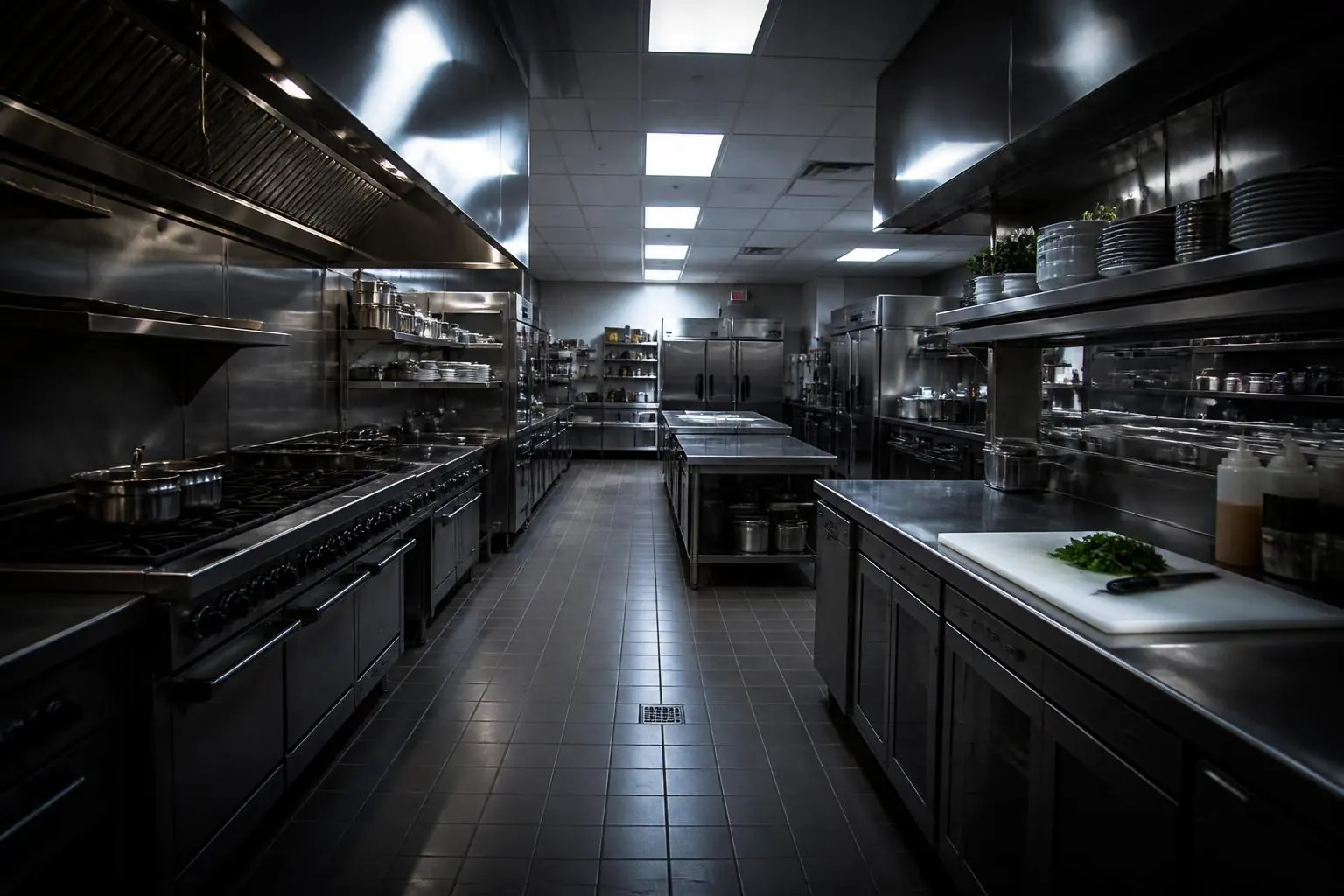
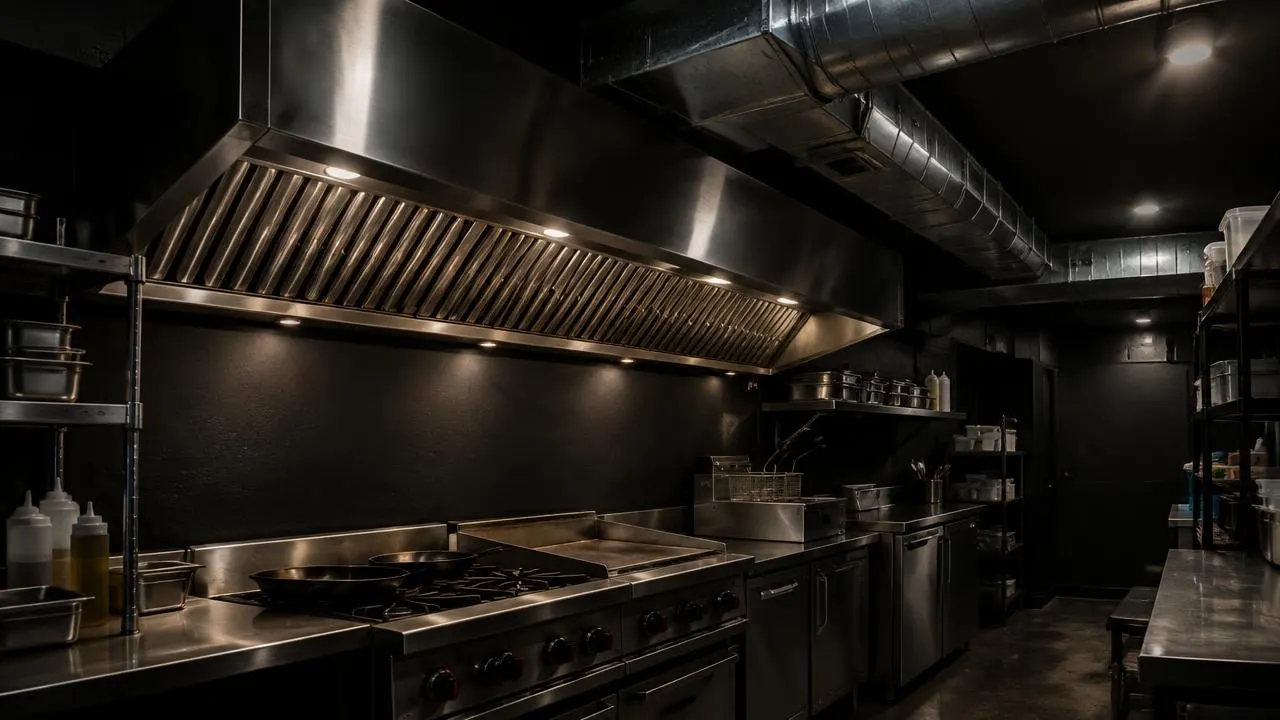
The hood should cover the full length of the cooking line, with some overhang at the ends and front so rising smoke is captured. Wall mounted canopy hoods suit most cloud kitchen lines. The airflow needed depends on the type of cooking: tandoors, woks and fryers need more extraction than boiling or steaming.
- Measure the cooking line and allow overhang beyond it.
- List the equipment under the hood and its heat and smoke output.
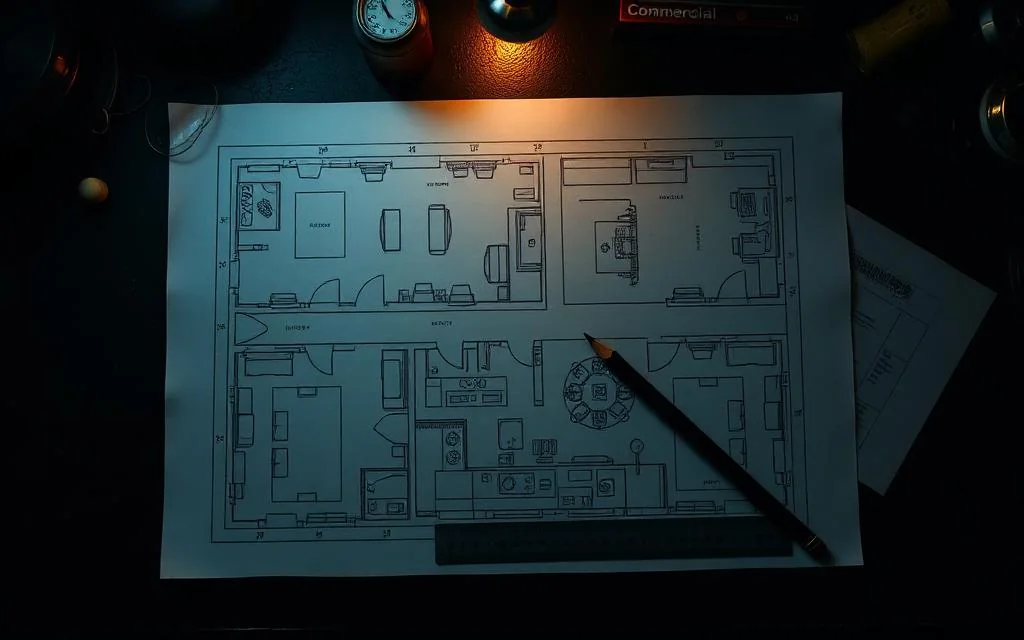
- Check the ceiling height and the space above it for the hood and duct.
Filters
Baffle filters made of stainless steel are the standard choice for commercial kitchens. They trap grease, resist fire better than mesh filters and can be removed and washed. In small kitchens, filters clog quickly, so plan for frequent cleaning.
Ducting route
Keep it short and direct
Every bend and every extra metre of duct reduces airflow and adds a place for grease to collect. A short, direct route to the outside performs better and costs less to clean.
Allow access for cleaning
Grease builds up inside ducts and is a fire risk. Include access panels so the duct can be cleaned.
Check building permissions
Landlords and building societies often control where ducts can run and discharge. Confirm this in writing before committing to a site.
Fresh air
An exhaust fan removes a large volume of air. If that air is not replaced, the kitchen goes under negative pressure, doors become hard to open, gas burners may not burn cleanly and the fan moves less air than designed. A fresh air fan or a planned inlet replaces the extracted air. In hot climates, bringing fresh air in near the cooking line keeps staff more comfortable.
Neighbours and odour
Cloud kitchens are often in mixed use or residential areas. Smoke and odour complaints can lead to closure. Discharge exhaust high, away from windows, terraces and air intakes, and consider odour control equipment where neighbours are close. This is far cheaper to plan at the start than to retrofit after complaints.
Fan and controls
Place the fan where it can be serviced and where its noise will not disturb neighbours. A speed control lets the kitchen reduce extraction during quiet periods, which saves power.
Fire safety
Grease in hoods and ducts is a common source of kitchen fires. Keep filters clean, keep ducts accessible and follow local fire safety requirements for your type of premises.
Steelkraft manufactures commercial exhaust hoods and ducting and cooking ranges in grade 304 stainless steel, fabricated in-house to fit the exact line. For local projects, see our pages on Mumbai cloud kitchen projects and commercial kitchens in Bangalore.
Common mistakes
One common mistake is installing a domestic style chimney or a small wall fan in place of a commercial hood. These cannot handle the grease and smoke of commercial cooking. Another is running ducting through long, winding routes to reach a convenient discharge point, which reduces airflow and makes cleaning difficult. A third is ignoring fresh air, so the kitchen becomes hot and the exhaust never performs as designed.
Some kitchens also fit mesh filters instead of baffle filters to save cost. Mesh filters clog quickly in commercial use and are harder to clean thoroughly.
Before you sign the lease
- Confirm where the duct can run and where it can discharge.
- Check ceiling height for the hood and ducting.
- Ask the landlord about any restrictions on fans, noise or odour.
- Check the electrical supply for exhaust and fresh air fans.
These checks take little time and can save a costly change of site later.
Getting these basics right from the start keeps staff comfortable and neighbours on side.
Frequently asked questions
Does every cloud kitchen need an exhaust hood?
Any kitchen that cooks food producing smoke, grease or steam needs proper extraction. The size and type of hood depend on the cooking equipment and menu.
Why do I need fresh air if I have an exhaust fan?
The exhaust removes air from the room. Without replacement air, extraction weakens, doors become hard to open and gas burners may not burn properly.
How often should baffle filters be cleaned?
In busy kitchens, often daily or every few days. The right interval depends on the cooking style, so check filters regularly and clean before grease builds up.
To plan exhaust for your cloud kitchen site, send your layout to Steelkraft.