Dual fuel kitchens: planning gas and electric cooking
Who this is forThis guide is for restaurant, hotel and institutional kitchen owners planning a cooking line that combines gas and electric equipment.
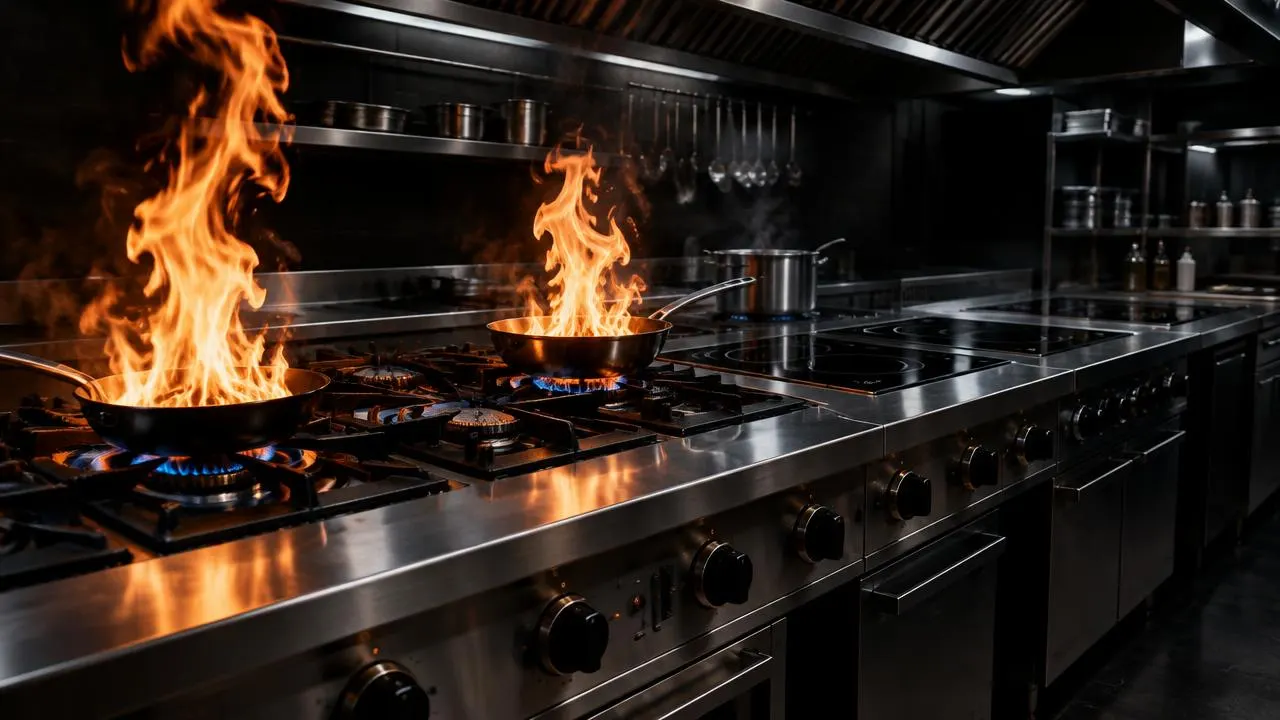
A dual fuel kitchen uses gas for the stations that need a flame and electric equipment, such as induction, for the stations that need steady, controlled heat. Plan it by listing every station, assigning a fuel to each, grouping them into clear zones and designing gas, power and exhaust together from the start.
Key facts
- A dual fuel kitchen assigns gas or electric cooking to each station based on the food it prepares.
- Grouping gas and electric equipment in clear zones simplifies installation and maintenance.
- Both fuels still need correctly sized exhaust over every cooking position.
- Two fuel sources give a kitchen a fallback when one supply is interrupted.
Why kitchens choose dual fuel
Indian menus combine techniques that suit different heat sources. Flame cooking such as wok tossing and roti finishing works best on gas. Long simmering, boiling and holding often work better on electric equipment. A dual fuel line lets each station use the fuel that suits it, rather than forcing the whole menu onto one.
There is also a resilience benefit. If the LPG supply is delayed or there is a power cut, a dual fuel kitchen can usually keep a reduced menu running.
Step 1: assign a fuel to each station
Go through the menu and list each station, what it cooks, the vessel it uses and the hours it runs. A common split looks like this:
- Gas: wok and Chinese range, tawa and flame finishing, large kadais, tandoor if gas fired.
- Electric: stock pot and boiling stations, gravy and sauce simmering, bain marie and holding, combi ovens, fryers.
- Either: tempering and shallow frying, depending on the chef's preference and vessel.
Our guide to gas and induction for Indian cooking covers the reasoning for each station in more detail.
Step 2: lay out the line in zones
Group gas equipment together and electric equipment together where the workflow allows. This keeps gas pipework short, makes electrical routing simpler and makes maintenance clearer. It also helps staff, since each zone has its own controls and safety steps.
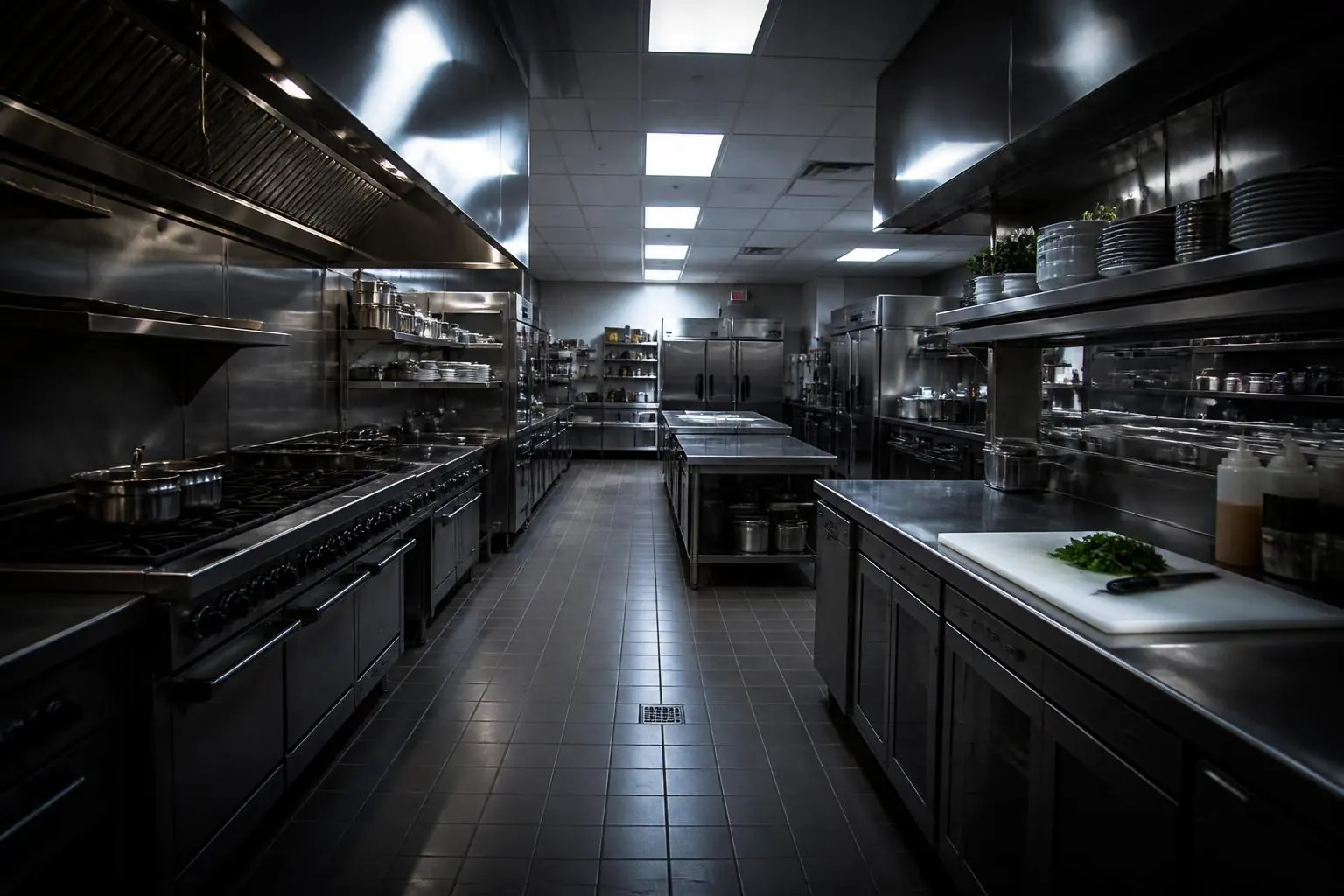
Place zones in the order food moves through the kitchen. Preparation should feed the cooking zones without crossing paths, and the cooking zones should feed the pass. A dual fuel line should still follow normal workflow rules.
Step 3: plan both supplies together
Gas
The gas installation needs a correctly sized supply, regulators, isolation valves at each appliance and leak detection. If you use LPG cylinders, the cylinder bank must be outside the kitchen in a ventilated, protected location. Our guide to LPG manifold systems explains the basics.
Power
The electric zone needs dedicated circuits, balanced phases and good earthing. Check the sanctioned load before ordering equipment, since electric cooking can add a large demand.
Keep them apart
Gas pipes and electrical cables should be routed separately and clearly labelled. This makes the installation safer and makes future changes easier.
Step 4: exhaust and fresh air
Every cooking position needs extraction, whatever the fuel. Gas cooking adds more heat and combustion products, so hood sizing and airflow over the gas zone are usually higher. Fresh air must be supplied to replace what the hood removes, otherwise gas burners can struggle and doors become hard to open. See our exhaust hoods and ducting for the options.
Step 5: build to one standard
Mixed lines often end up looking and performing unevenly when equipment comes from many sources. Building the whole line in one material and one design language makes cleaning, alignment and maintenance easier. Steelkraft manufactures gas cooking equipment and electric ready ranges in grade 304 stainless steel, fabricated in-house, with counter heights and depths matched across the line.
Plan for change
Fuel prices, supply and menus change. A good dual fuel layout leaves room to move a station from one fuel to the other later. That means leaving capped gas points or spare electrical capacity where a change is likely, and keeping equipment footprints standard.
For city specific planning, see our pages on hotel kitchen equipment in Bangalore and commercial kitchen equipment in Kerala.
Training and daily routine
Staff working across both fuels need clear routines. Gas stations need valve checks at opening and closing, flame checks and awareness of gas smell. Electric stations need correct power settings, suitable cookware and care with glass tops. Put simple instructions at each station and train new staff on both. A short opening and closing checklist that covers both fuels keeps the kitchen safe.
Common mistakes in dual fuel kitchens
One mistake is scattering gas and electric units randomly along the line. This makes pipework and cabling complicated and confuses staff. Another is sizing the electrical supply only for today's induction units, leaving no room to move a station later. A third is treating induction stations as needing no extraction. Grease and steam still need to be captured even when the heat source is cooler.
It is also common to forget backup planning. Decide in advance which reduced menu the kitchen will run if gas is interrupted and which it will run during a power cut. Then check that the stations needed for each menu are on the right fuel.
Frequently asked questions
Is a dual fuel kitchen more expensive to set up?
It involves two utility installations, so there is more planning and some extra work. Many kitchens accept this for the flexibility and backup it gives during supply interruptions.
Which stations should stay on gas?
Stations that rely on flame, such as wok cooking, roti finishing and round bottomed kadais, usually stay on gas. The final choice depends on your menu and chefs.
Can I convert a gas station to electric later?
Yes, if the layout and electrical capacity allow it. Planning spare capacity and standard equipment sizes at the start makes later changes much simpler.
To plan a dual fuel line for your kitchen, get in touch with Steelkraft.