Energy efficient kitchen equipment: cut power and fuel
Who this is forThis guide is for restaurant, hotel and canteen owners who want to reduce the power and fuel their commercial kitchen uses.
Commercial kitchens waste most power and fuel through burners left running, refrigeration working harder than it needs to, exhaust fans at full speed during quiet periods and equipment that is badly maintained. Fixing these with the right equipment, sensible layout and simple daily habits usually saves more than any single new appliance.
Key facts
- Burners left on between orders and poorly maintained equipment are common sources of wasted fuel.
- Refrigeration runs all day, so door seals, placement and condenser cleaning matter a great deal.
- Induction puts more of its energy into the pan, but suits some stations better than others.
- Exhaust fans running at full speed when the line is quiet waste a large amount of power.
Start by finding the waste
Before buying anything, watch the kitchen through a full day. Note which burners stay lit with nothing on them, how often fridge doors are opened, when the exhaust runs and how long ovens are preheated before use. Most kitchens find several easy fixes this way.
Cooking equipment
Burners and ranges
Open gas burners lose a lot of heat around the vessel. Correctly sized burners, well adjusted flames and clean burner heads make a real difference. A yellow, lazy flame often means poor combustion and wasted gas. Using lids on stock pots and matching the vessel to the burner size also helps.
Induction for the right stations
Induction heats the pan directly, so less energy escapes into the room. It works well for boiling, simmering and holding. It is not the right answer for every Indian technique, so use it where it suits the food. Our guide to induction and gas for Indian cooking explains the trade-offs.
Steam and batch cooking
For canteens and banquets, steam cooking vessels and tilting bratt pans cook large batches efficiently and evenly. Cooking in fewer, larger batches is often more efficient than many small ones.
Refrigeration
Refrigeration runs around the clock, so small inefficiencies add up.
- Keep refrigeration away from cooking equipment and direct heat.
- Leave space around condensers for airflow and clean them regularly.
- Replace worn door gaskets that let cold air leak out.
- Plan storage so staff open doors less often and for shorter times.
- Size equipment to the real stock level, since half empty large units waste energy.
Our commercial refrigeration equipment range includes reach-in and undercounter units sized to the station they serve.
Exhaust and ventilation
Exhaust fans are often left at full speed all day. Variable speed controls let the fan slow down when the line is quiet. Clean filters also matter: clogged filters make the fan work harder and capture less grease. Hoods should be sized to the cooking line, not oversized, since every extra unit of air removed has to be replaced and often cooled. See our exhaust systems for hood and duct options.
Dishwashing and hot water
Warewashing uses water, heat and power. Run machines with full racks, pre scrape plates and keep wash arms and filters clean so cycles do not have to be repeated. Insulating hot water pipes reduces heat loss between the heater and the machine.
Layout
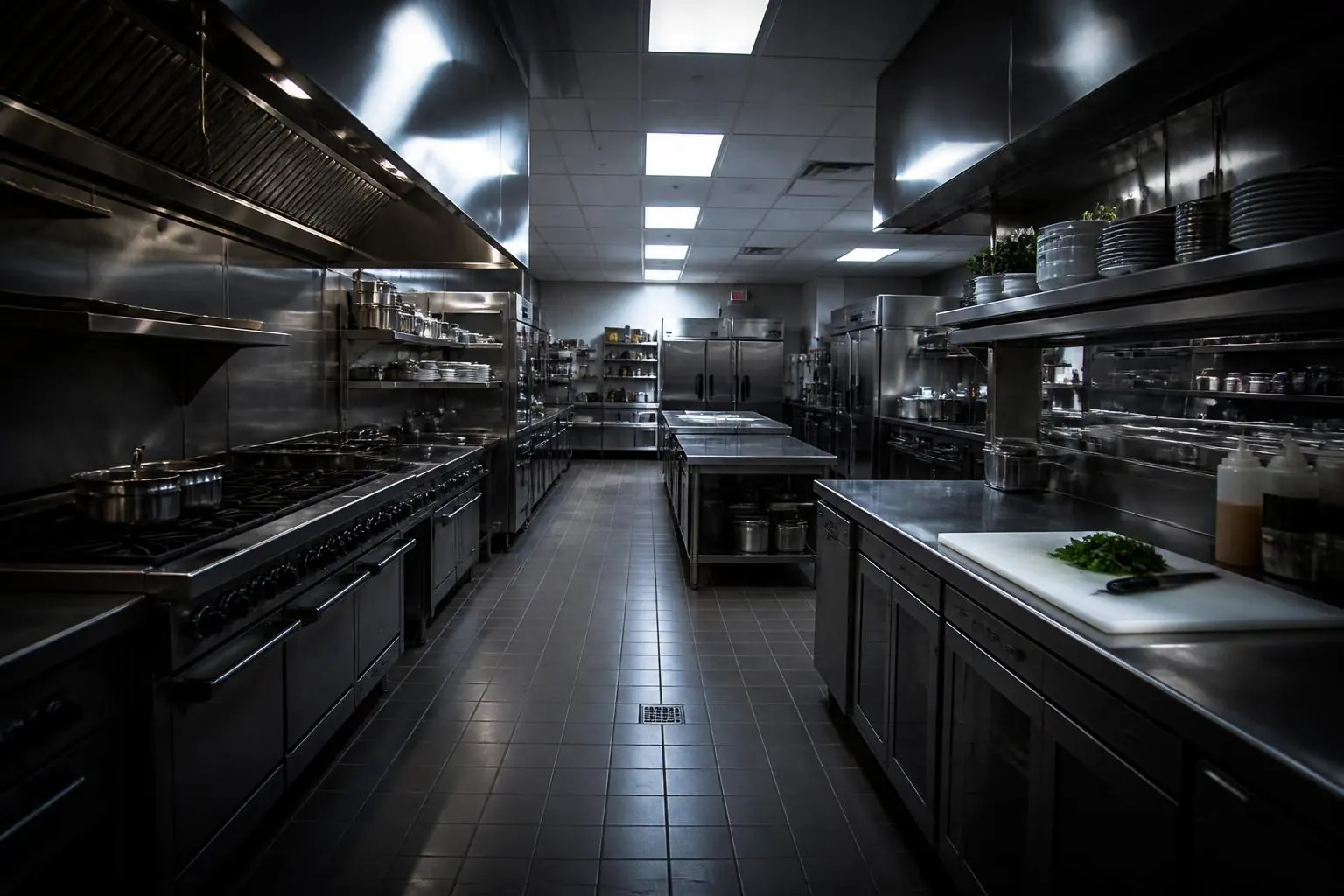
A good layout saves energy too. Keep cold storage away from hot zones, keep runs short so food is not held hot longer than needed, and group equipment that shares exhaust. Planning these points at the start costs nothing extra.
Maintenance
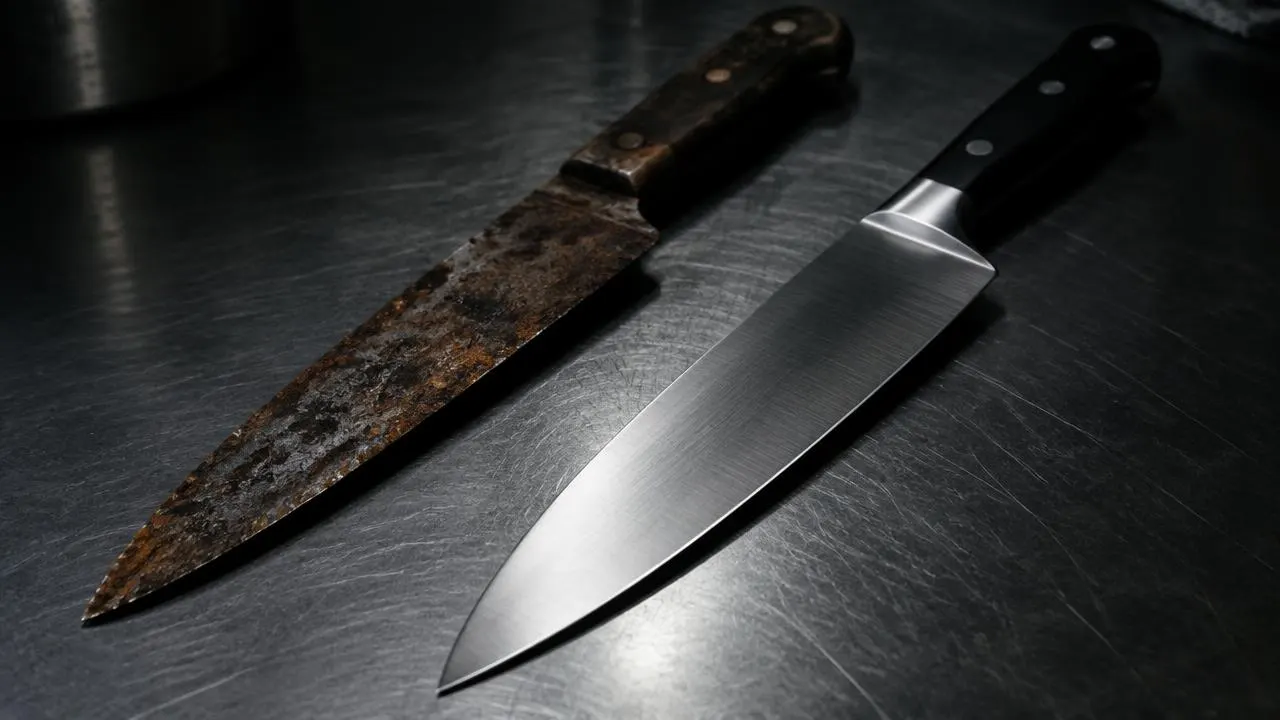
Badly maintained equipment wastes fuel and power. Burner heads clog, thermostats drift, gaskets wear and condensers collect dust. A regular maintenance routine keeps equipment running as designed. Our commercial kitchen equipment maintenance guide covers the basics.
Build quality matters over time
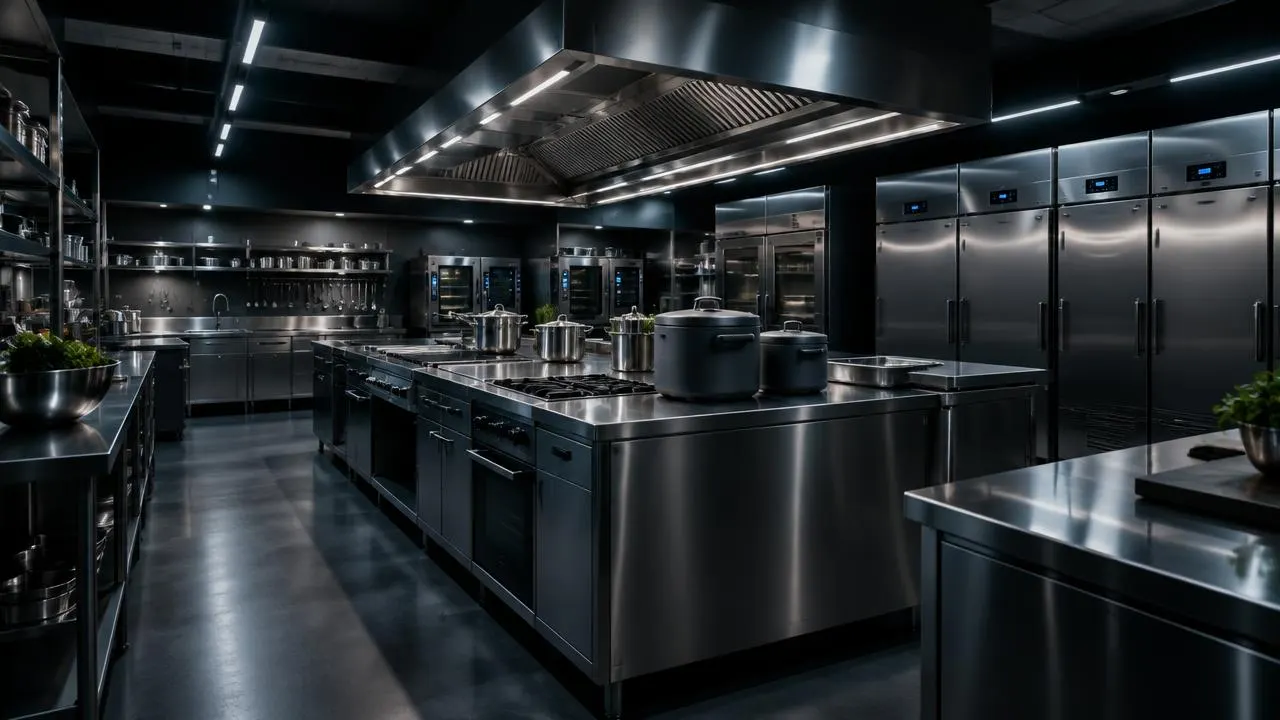
Equipment that is built well holds its performance longer. Grade 304 stainless steel resists corrosion, welds stay sound and doors stay aligned. Steelkraft manufactures restaurant cooking ranges and refrigeration in grade 304 stainless steel, fabricated in-house. For local projects, see our pages on commercial kitchen equipment in Hyderabad and Bangalore restaurant kitchen projects.
Lighting and small loads
Lighting and small appliances are easy to overlook. LED lighting uses less power and produces less heat than older fittings, which also helps the exhaust and air conditioning. Heat lamps, warmers and water heaters are often left on all day. Put them on timers or make switching them off part of the closing routine.
Common mistakes when buying for efficiency
A frequent mistake is buying oversized equipment in the belief that bigger is safer. A large range or refrigerator that runs half used wastes energy every day. Another is choosing equipment on purchase price alone without looking at how much fuel or power it uses over years of operation. A third is investing in efficient equipment and then running it badly. Without staff routines and maintenance, savings do not appear.
Track your consumption
Note gas and electricity use each month, and compare it with covers served. This simple ratio shows whether changes are working and flags problems such as a failing refrigeration unit that suddenly uses more power. Small, consistent tracking is more useful than a one time audit.
Frequently asked questions
What wastes the most energy in a commercial kitchen?
Common causes are burners left running, exhaust fans at full speed during quiet periods, refrigeration placed near heat and poorly maintained equipment. The exact mix varies by kitchen.
Is induction always the most efficient choice?
Induction transfers energy efficiently, but it suits some stations better than others. The most efficient kitchen uses the right equipment for each task and runs it well.
How can staff habits reduce energy use?
Switching off unused burners, keeping fridge doors closed, using lids and running dishwashers with full racks all help. Simple routines often deliver the quickest savings.
If you want help planning a more efficient kitchen, talk to Steelkraft.