Restaurant kitchen equipment: 10 questions before buying
By the Steelkraft teamPublished Updated
Who this is forThis guide is for restaurant owners and chefs preparing to buy kitchen equipment for a new or renovated restaurant.
Before buying restaurant kitchen equipment, answer ten questions: what you will cook, how many covers at peak, how much space you have, what utilities are available, how food will flow, which fuel suits each station, what material the equipment is made of, who installs it, who services it, and how the kitchen might grow. These answers prevent most costly mistakes.
Key facts
- The menu and peak hour volume should decide the equipment list.
- Utilities such as power, gas, water and drainage must be confirmed before ordering.
- Material grade and fabrication quality decide how long equipment lasts.
- Installation, service and future growth should be part of the buying decision.
Ten questions to answer first
1. What exactly will you cook
List your dishes and the techniques each needs: tandoor, wok, grill, fryer, steaming, slow simmering, baking. The menu decides the equipment, not a generic list.
2. How many covers at your busiest hour
Size equipment for the peak, not the average. A kitchen that copes on a Tuesday afternoon but fails on a Saturday night is undersized. Include delivery orders in the count.
3. How much space do you really have
Measure the kitchen accurately, including ceiling height, columns, doors and windows. Allow for aisles wide enough for staff to pass and for trolleys. Equipment that does not fit through the door is a common surprise.
4. What utilities are available
- Electrical load and whether three phase supply is available.
- Gas: piped gas, LPG manifold or none.
- Water supply and pressure.
- Drainage and space for a grease trap.
- A route for exhaust ducting to the outside.
Confirm these before ordering, because they decide what equipment you can use.
5. How will food flow through the kitchen
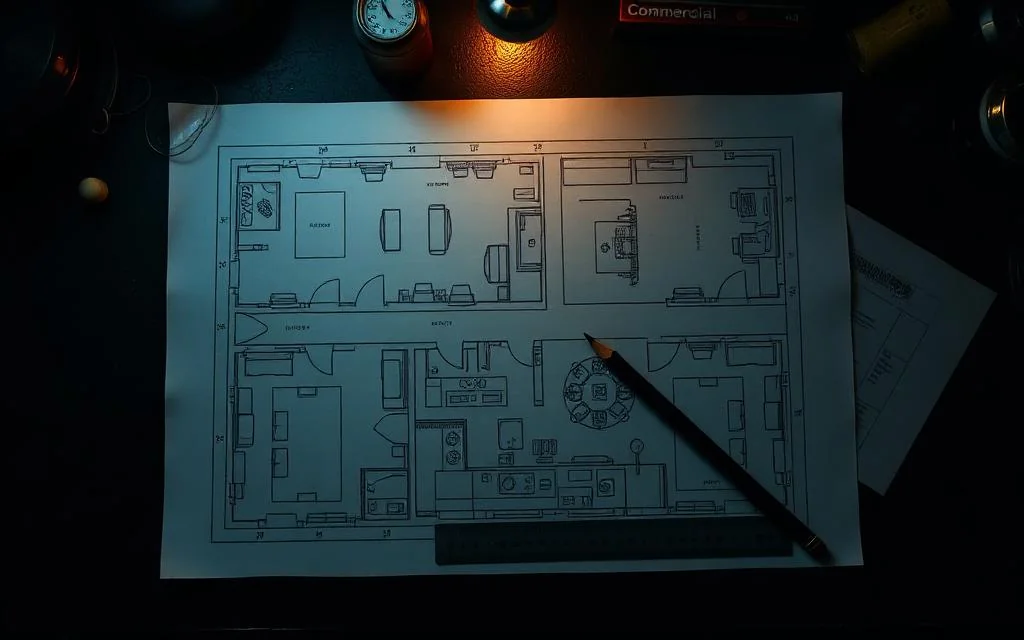
Food should move in one direction: receiving, storage, preparation, cooking, plating and service, with dirty dishes returning on a separate route. Our guide to planning a commercial kitchen layout covers this in detail.
6. Gas, induction or both
Decide station by station. Flame based Indian techniques often suit gas, while boiling and holding may suit induction. Our article on choosing gas or induction explains the trade-offs.
7. What material is it made of
Ask for the stainless steel grade of every item in writing. Grade 304 resists corrosion in wet, salty kitchens. Lower grades can rust sooner, especially at welds. Also check sheet thickness, weld quality and finish.
8. Who will install it
Installation affects safety and performance. Ask whether the manufacturer has its own installation team, who connects gas and power, and how the work will be tested before handover.
9. Who will service it
Equipment needs maintenance. Ask who will respond to breakdowns, how quickly, and whether spare parts are available. Keep basic spares on site for items that wear, such as gaskets and burner parts.
10. How might the kitchen grow
Will you add delivery, a new menu section or another brand? Leave space and utility capacity for likely changes. Standard equipment sizes make additions easier.
Putting the answers together
Once you have the answers, you can write a clear equipment brief: station by station, with sizes, fuels, materials and utilities. That brief makes quotes comparable and prevents equipment being added or changed late, which is when most budgets overrun.
Steelkraft manufactures bulk cooking equipment, food preparation tables and complete kitchens in grade 304 stainless steel, fabricated in-house, with its own installation team. For local projects, see our pages on restaurant kitchens we build in Bangalore and restaurant kitchen equipment in Kerala.
Common mistakes when buying
Many first time owners buy equipment from a generic list and discover gaps or duplicates once the menu is final. Others buy on lowest price without checking steel grade, thickness or weld quality, then replace equipment within a few years. Some forget delivery and installation access, and equipment does not fit through the door or up the stairs.
Another frequent mistake is ignoring the exhaust and utilities until the equipment arrives. Without a confirmed gas supply, electrical load and duct route, installation stalls. Answering the ten questions above before ordering avoids most of these problems.
Getting a second opinion
If you are unsure about any answer, ask your chef, a kitchen consultant or the manufacturer to review your brief. A short review before ordering costs far less than changing equipment after installation.
Writing your equipment brief
Turn your answers into a simple brief. For each station, write what it cooks, the equipment needed, its size, the fuel, the steel grade and any special requirements such as undershelves, drawers or splash guards. Add a list of utilities available at the site and a sketch of the layout with measurements. Share the same brief with every manufacturer you approach. This makes quotes directly comparable and reduces misunderstandings about what is included. It also gives you a clear record to check against when the equipment is delivered and installed, so nothing is missed at handover.
Frequently asked questions
Should I buy restaurant equipment before finalising the menu?
No. The menu decides the equipment. Buying first often leads to equipment that does not suit the food or is the wrong size.
How do I compare quotes from different manufacturers?
Give everyone the same station by station brief, and compare steel grade, sheet thickness, fabrication quality, installation and service, not only the total.
Is it better to buy all equipment from one manufacturer?
It often helps with consistent sizing, finish and a single point of responsibility for installation and service, though specialist items may come from elsewhere.
If you would like help working through these questions, book a planning discussion with Steelkraft.
Many answers start with our cooking equipment and the restaurant kitchen equipment range. For budgets, see commercial kitchen equipment prices in India.